Q: What’s the most cost-effective PPF coverage for an EV that racks up highway miles?
Paint protection film (PPF) is a smart investment for highway-driven EVs because it helps protect against rock chips, road debris, bird droppings, tree sap, and other contaminants that can damage clear coat and expose paint to oxidation.
The most cost-effective coverage depends on your mileage, driving environment, and budget:
- Best value for most highway drivers: partial front coverage
Cover the front bumper, partial hood, partial fenders, mirrors, door cups, and door edges. These are the highest-impact zones where most chip damage shows up first. Expect roughly $2,000 to $3,500 using quality film, depending on the vehicle and installer. - Best “set it and forget it” option: full front-end coverage
Cover the front bumper and full hood and fenders, often adding mirrors and headlights. This is a strong upgrade if you do a lot of freeway miles or follow traffic often. Expect roughly $4,000 to $6,000. - Maximum protection: full-vehicle coverage
Great if you want near-total chip protection and easier long-term paint preservation. Expect roughly $7,000 to $12,000+ depending on vehicle size, film type, and install complexity.
For an EV that racks up highway miles, the minimum recommendation is front bumper, hood, and fenders, because road debris at speed hits these areas most aggressively. Even small chips can expose paint and lead to faster wear over time, especially on the leading edges.
Film quality matters. Premium PPF typically offers self-healing for light swirls and scuffs (activated by heat) and better long-term clarity than budget film. Maintenance is straightforward: regular washing, occasional decontamination (like a clay treatment if needed), and periodic checks for edge lifting or damage.
If you live in high-UV areas, quality matters even more. Some films can develop mild yellowing or haze after years of sun exposure, and higher-end films tend to resist this better than lower-cost options.
Bottom line: partial front coverage is usually the most cost-effective, delivering most of the real-world protection for a fraction of full-wrap cost. If the vehicle is newer or you plan to keep it long-term, stepping up to full front-end coverage is often the sweet spot.

INSTALLATION guide

WARRANTY QUESTIONS
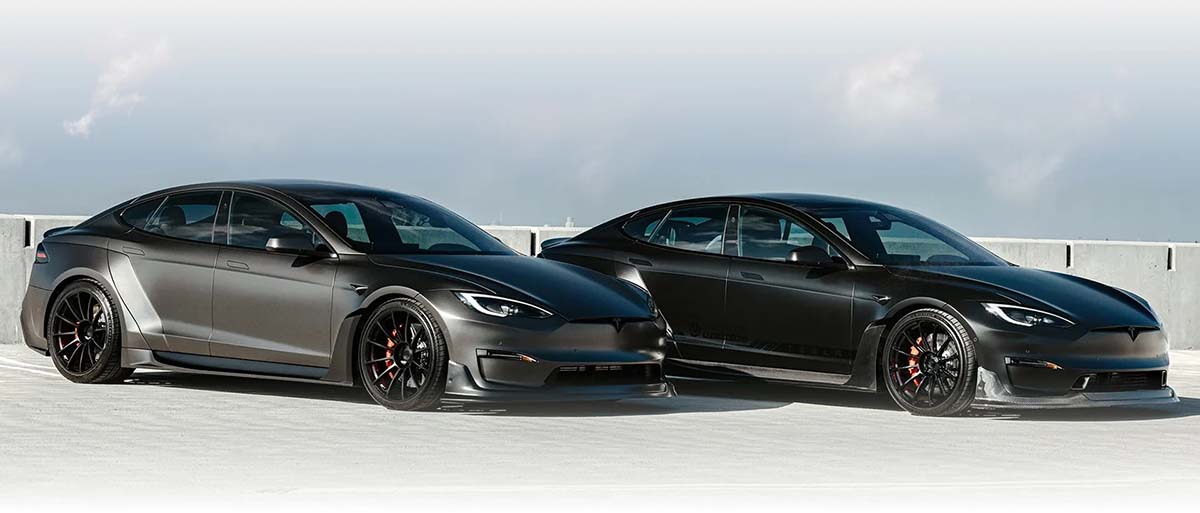
WHAT OUR CUSTOMERS SAY


With real reviews from real customers, shop UP products for your Tesla Model S, 3, X, Y and Cybertruck with confidence. Leave reviews and earn up to 2000 UP Rewards points each, redeemable towards exclusive UP Products.




- Tesla Model S / Model S Plaid (2021 - 2025)
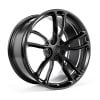
- 2021 - 2025 Tesla Model S / Plaid Wheels
- 2021 - 2026+ Model S / Plaid Performance Brakes
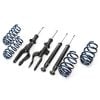
- 2021 - 2026+ Model S Plaid Performance Suspension
- 2021 - 2025 Model S / Model S Plaid Interior Upgrades
- 2021 - 2026+ Model S Plaid Racing Safety
- 2021 - 2025 Tesla Model S / Plaid Big Brake Kits (BBK)
- 2021 - 2025 Tesla Model S Plaid / Model S Drag Racing Upgrades
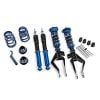
- 2021 - 2025 Tesla Model S Plaid Coilovers


THE UNPLUGGED PERFORMANCE® MARK AND LOGO ARE TRADEMARKS OF UNPLUGGED PERFORMANCE INC. ALL RIGHTS RESERVED. PLEASE REVIEW THE TERMS & CONDITIONS AND PRIVACY POLICY BEFORE USING OUR WEBSITE.