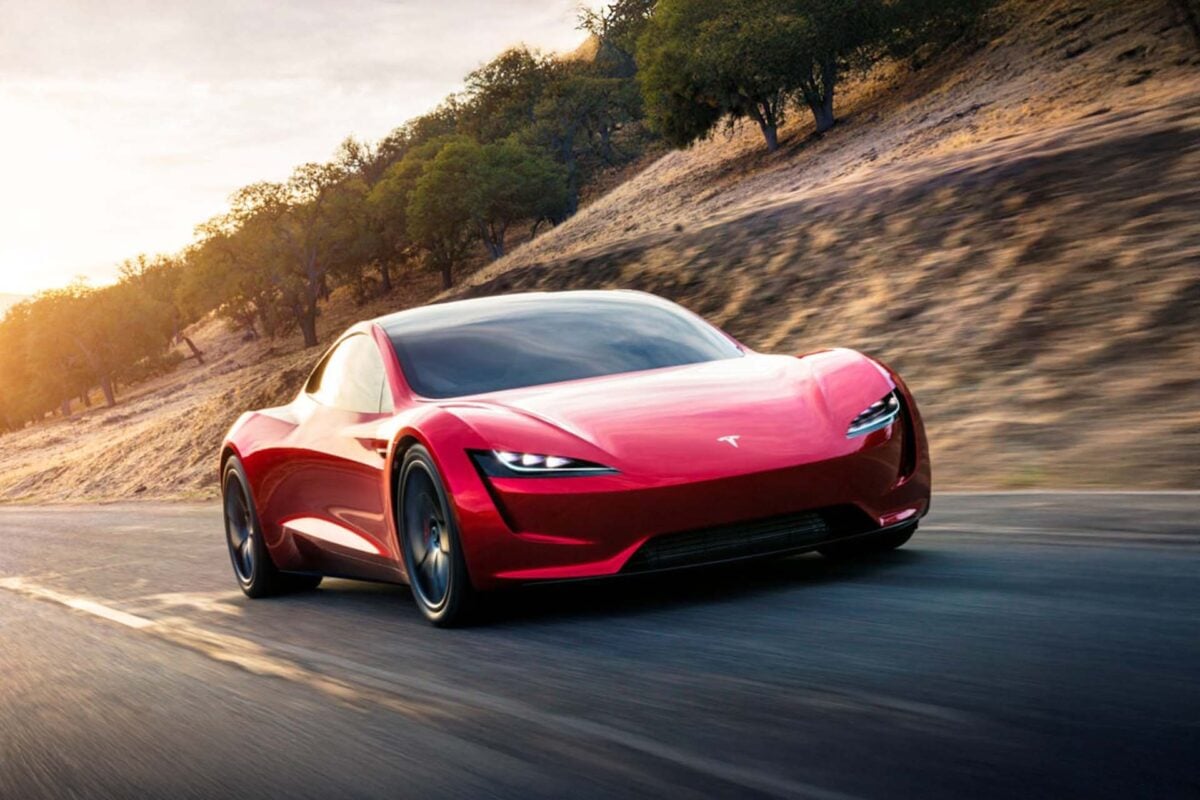
Tesla’s newest Roadster invites an obvious question: what happened to the car we were expecting?
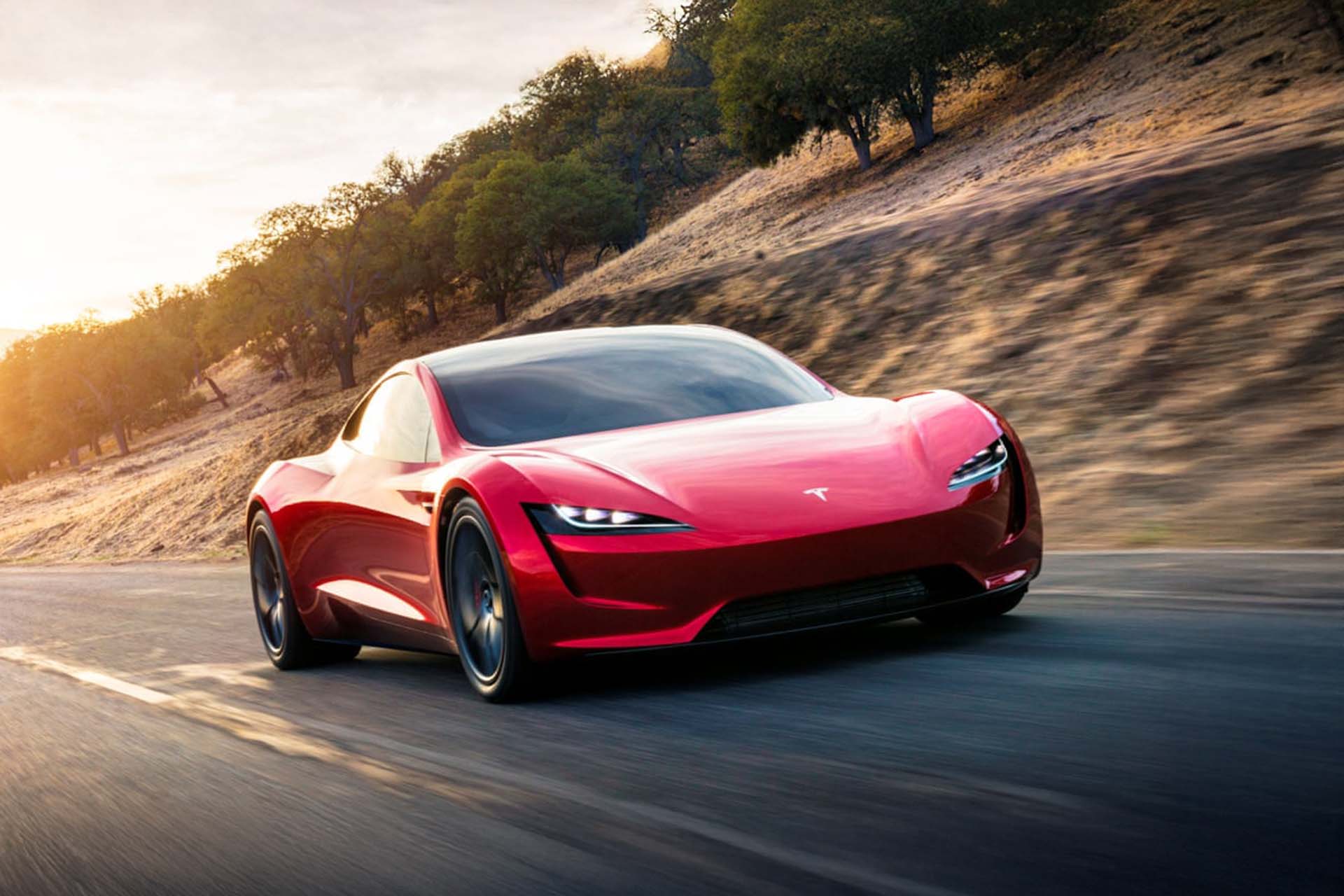
The earlier concept established a recognizable shape and an ambitious set of performance promises. However, the vehicle shown in Tesla’s recent unveiling, takes a substantially different direction. The Roadster is now a rear-wheel-drive vehicle with deployable aerodynamic systems.
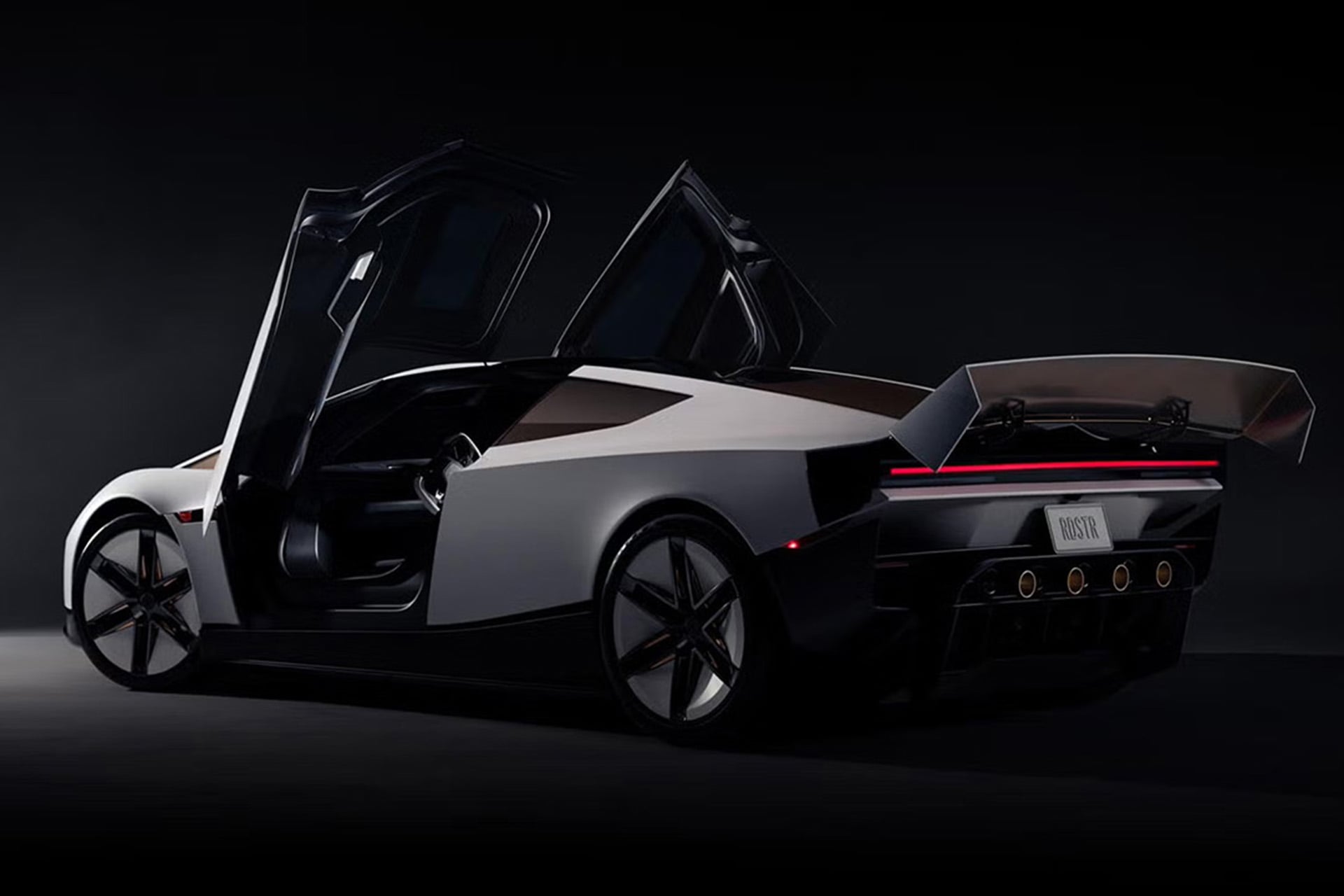
In Top Gear’s video, Franz von Holzhausen and Lars Moravy explain why the Roadster’s design evolved so dramatically. As Tesla’s lineup advanced, many of the technologies originally intended to set the earlier Roadster concept apart found their way into the Model S Plaid. The Roadster needed to push further, both in its capabilities and its design, to deliver something truly exceptional. They also describe a determination to challenge skeptics and pursue ideas others might dismiss as impossible. That ambition helped shape a more radical direction for the car, with a design intended to reflect how far Tesla wanted to go.
The earlier Roadster helped create Plaid
Lars describes a direct engineering connection between the earlier Roadster program and the Model S Plaid. In the interview, he says motors from that Roadster were installed into a Model S development vehicle that became an early Plaid prototype.
He also identifies the three-motor architecture, carbon-wrapped rotors, carbon-ceramic braking technology, and track-focused development as areas that progressed into Plaid. That does not make the two cars identical. It does explain why simply delivering the original Roadster proposition would have faced a different competitive landscape within Tesla’s own lineup.
The performance baseline moved
Once a sedan could deliver that level of performance, the Roadster needed a more distinct purpose. The team describes wanting to build an exceptional driver’s car, with a bespoke chassis and a stronger emphasis on the experience behind the wheel.
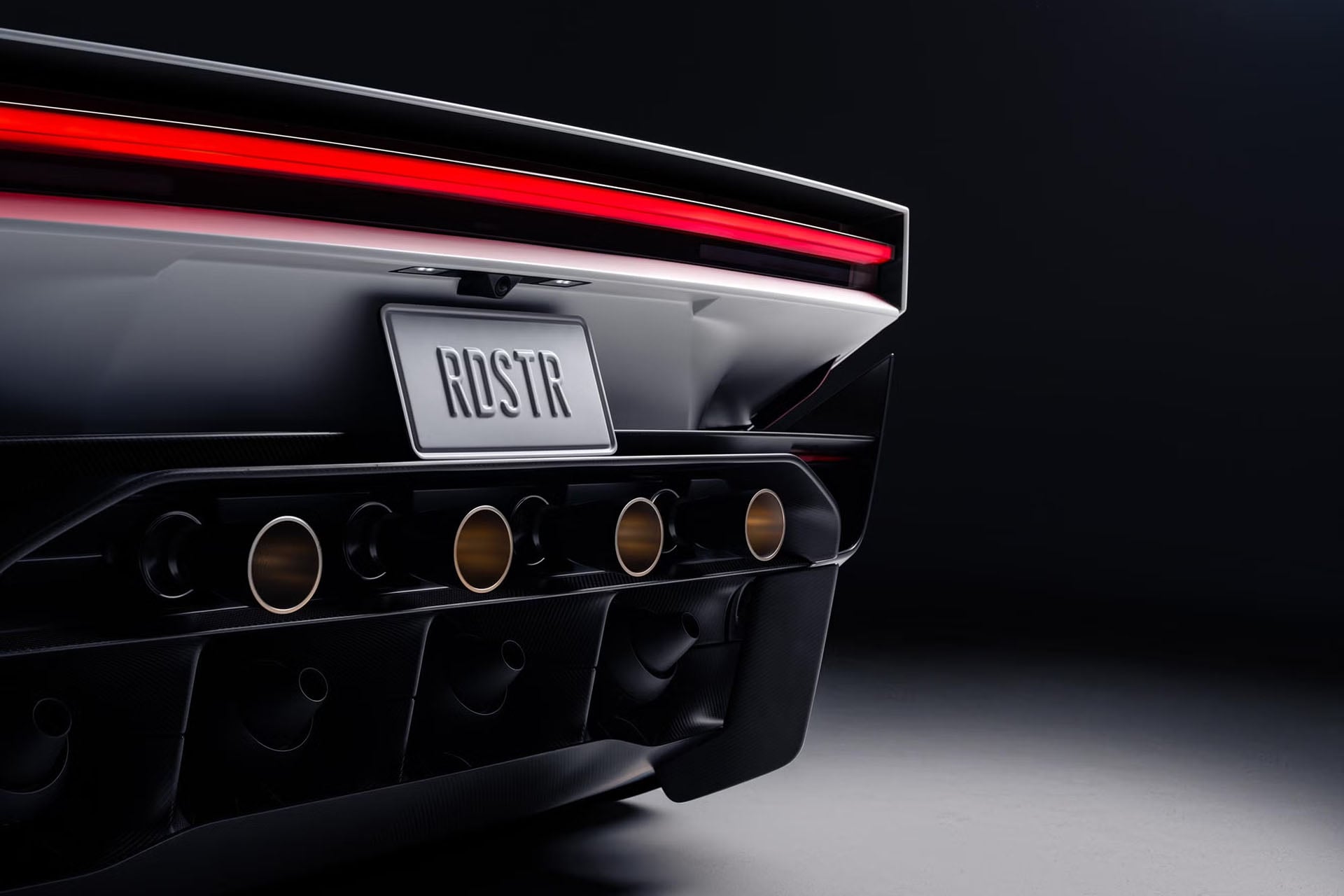
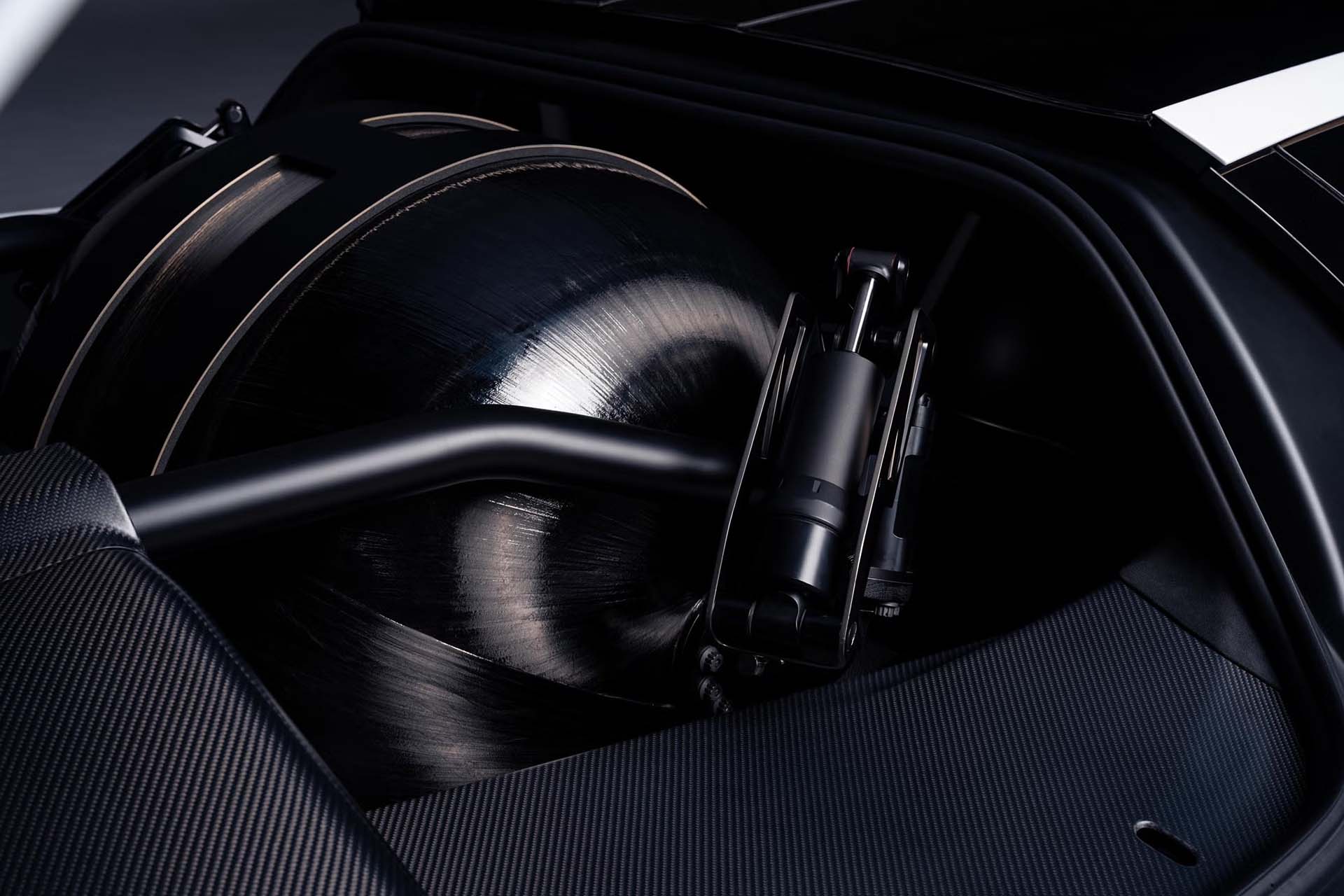
The new approach includes two rear motors, a lower mass target, and aerodynamic systems designed to increase available grip. SpaceX-developed cold gas technology then adds another layer for the more extreme configurations. Each of those choices changes the car’s character more substantially than another incremental increase in peak power would.
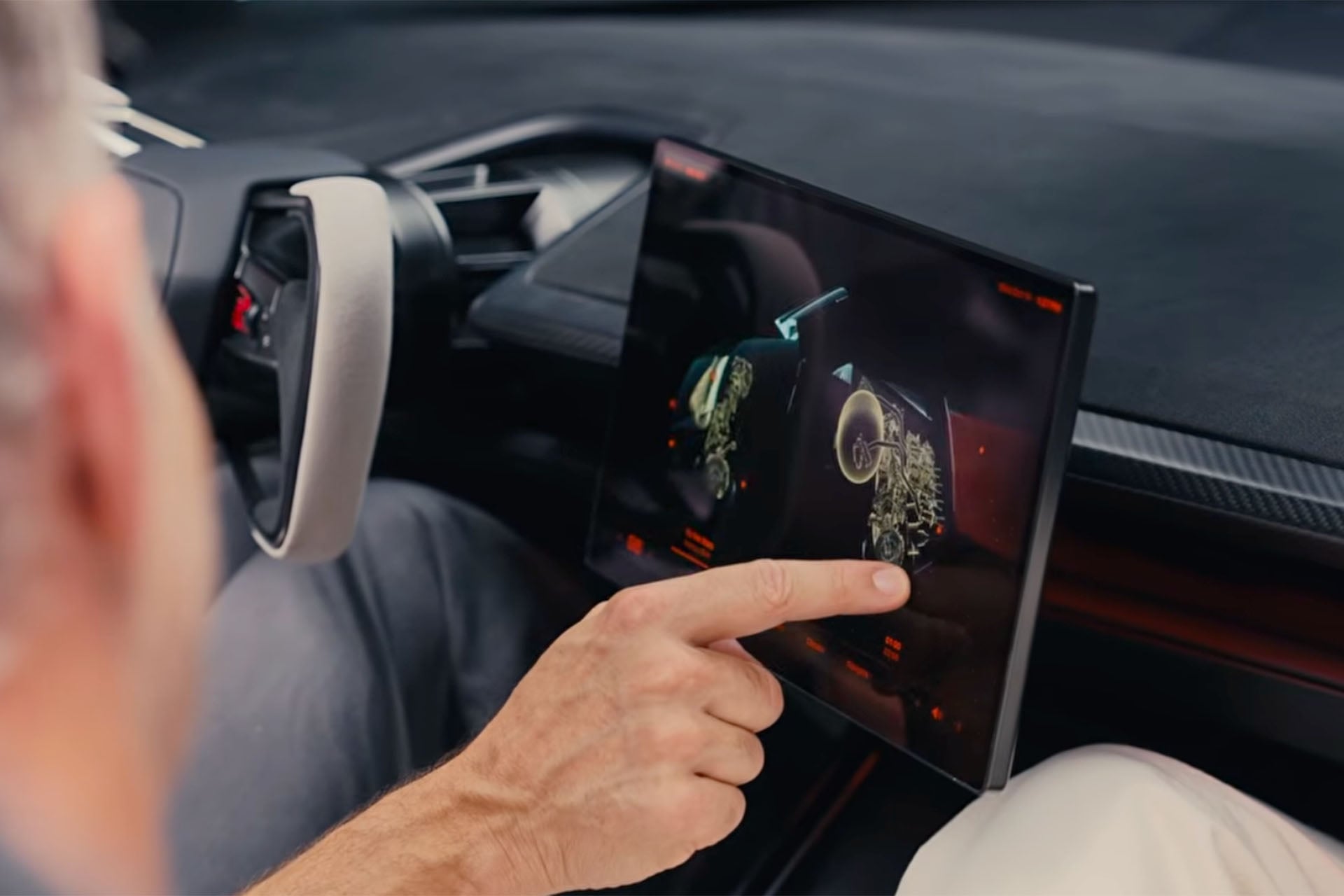
Range became part of a different equation
In the interview, range was also discussed. In the previous demo, there was talks of having a 620-mile range Roadster. Lars, however, discusses this new generation Roadster will have approximately 310–320 miles of range. This new direction is due to keeping the car as nimble as possible to compete on the track where corners and weight play such a big role.
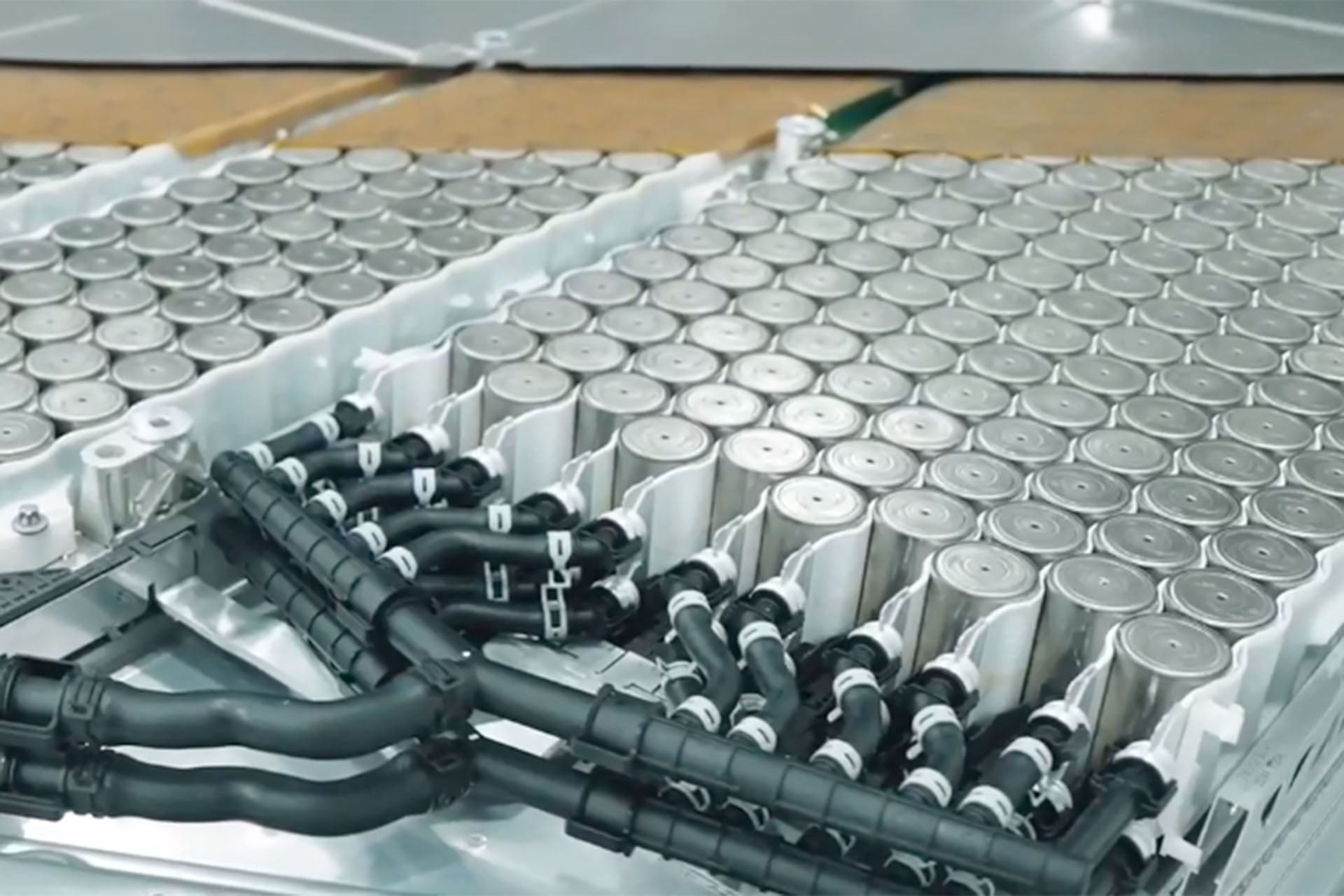
From our perspective, that is a meaningful change in priorities. A larger battery can extend distance, but its mass follows the car into every corner and braking zone. The new program places more emphasis on power delivery, thermal management, and rapid charging as parts of the overall driving experience.
What that means to us
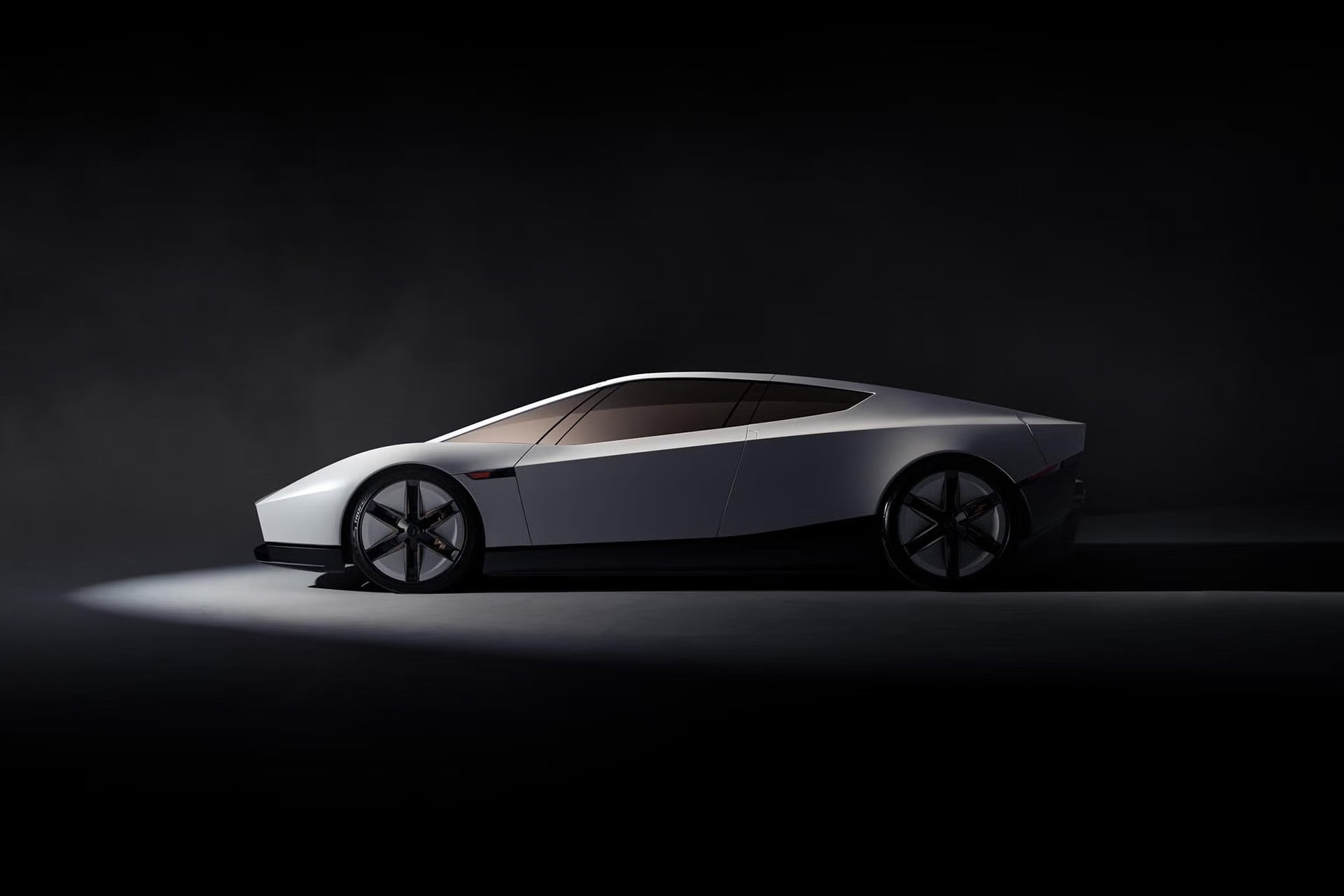
At Unplugged Performance, we see the new Roadster as a program whose mission evolved while the rest of Tesla moved forward. We are particularly interested in the decision to pursue rear-driven balance and reduced mass. Those fundamentals will determine whether the Roadster will feel special behind the wheel at the racetrack before a thruster ever fires. We look forward to 2028…
Video credit goes out to New Tesla Roadster: SpaceX Thrusters, 0.6sec 0-60mph & 330mph! | 4K 1:40–7:04, 13:25–14:16, 24:05–26:19. Plaid-development statements are attributed to Lars; they are not independent UP historical findings.


