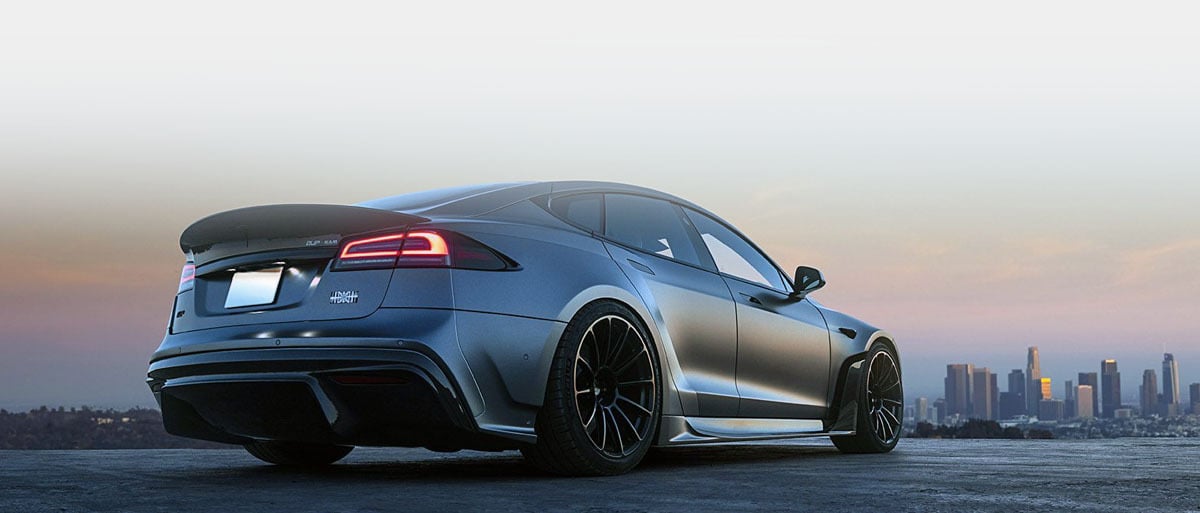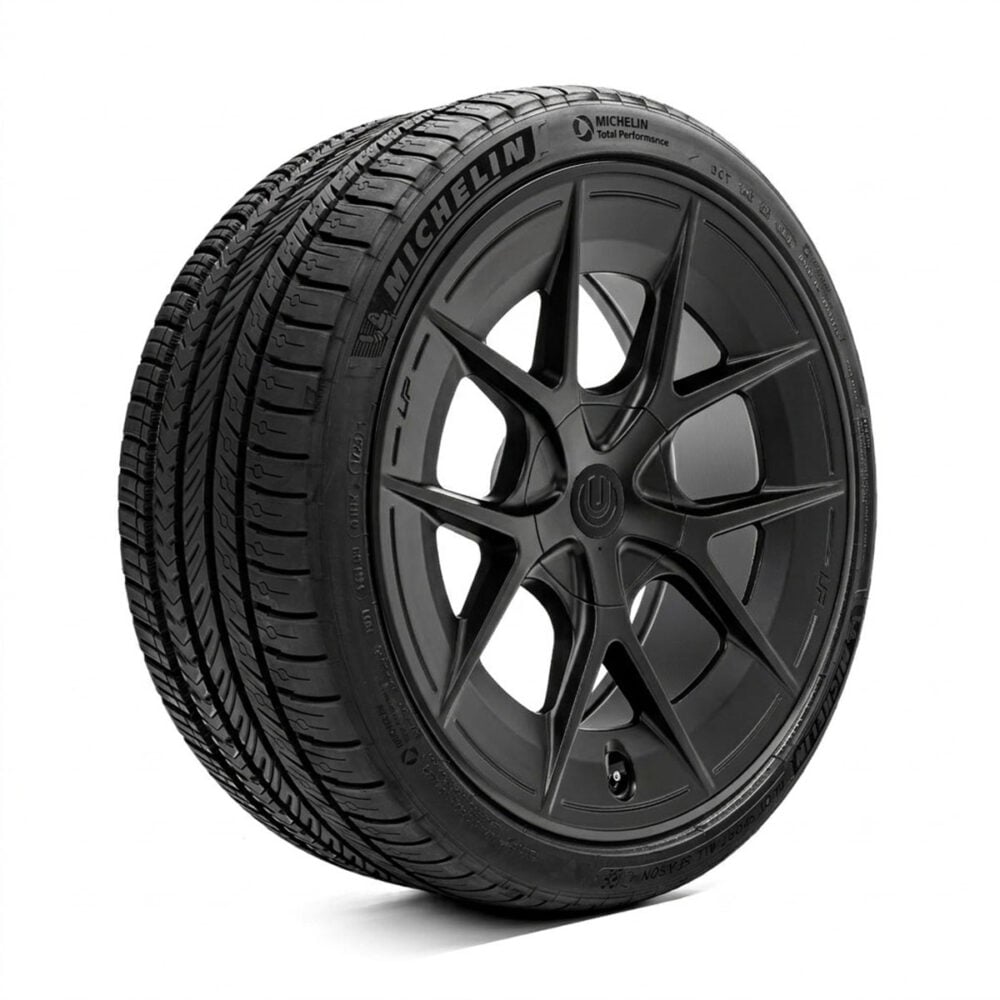
Tesla Model S 19-inch UP-RW FF Wheel and Tire Package
The UP-RW Flow-Formed Wheel & Tire Package brings UP Forged UP-RW design DNA to the Tesla Model S in a complete setup built for efficiency, usability, and year-round driving. Designed for all Model S years and trims, it pairs 19-inch UP-RW FF wheels with carefully matched tire options and the correct TPMS by model year. From first-generation to Long Range refreshed Tesla Model S owners, this package is a smart way to support range or refresh the driving experience.
- Fits all Tesla Model S years and trims
- Forged UP-RW design DNA, now available for Model S
- 19-inch package designed to support efficiency and daily usability
- Available with all-season and winter tire options
- Includes correct TPMS based on model year



Product Details
A Complete Wheel and Tire Package for Tesla Model S Owners
The UP-RW FF Wheel & Tire Package was created for Tesla Model S owners who want a complete solution built around efficiency, everyday drivability, and a cleaner, more modern wheel design. Every package includes four UP-RW FF 19×8.5 +30 wheels, a matched set of tires, the correct TPMS sensors based on model year, and mount and balance labor. It is a well-matched package that makes it easier to move into a new wheel and tire setup without piecing everything together on your own.
For the Model S owner, this package is especially relevant. The Model S remains one of the most important EV platforms ever built, and many owners are still enjoying these cars as daily drivers, highway cruisers, and long-distance EVs. With the right wheel and tire package, the driving experience can feel more complete, more usable, and in many cases more aligned with the efficiency priorities that matter most to Model S ownership.
Designed for All Tesla Model S Years and Trims
The UP-RW FF Wheel & Tire Package is designed to fit all Tesla Model S years and trims. Whether you drive an earlier first-generation Model S, a later refresh car, or a Long Range variant, this package was built to give owners across the platform a clear path into a complete 19-inch wheel and tire setup.
That broad compatibility matters because the Model S has evolved across multiple generations, and owners want confidence that a package is meant to work with the platform. This setup was created to serve the Model S owner base as a whole, while also accounting for the correct TPMS version depending on model year. That means the package feels more complete from the start and better suited to the vehicle it is being installed on.
Why This Package Is Especially Strong for First-Generation Model S Owners
This package is especially compelling for owners of the first-generation Tesla Model S. As those earlier vehicles age, efficiency becomes an even more important part of the ownership experience. Many first-generation Model S owners are looking for ways to make the most of the range they have, and the right wheel and tire combination can play a meaningful role in that.
That is where the UP-RW FF package stands out. It brings a more efficiency-minded wheel design together with tire choices that are well suited to the needs of an EV. For first-generation Model S drivers, that can translate into a setup that feels more relevant to the way the car is used today. It is also a very strong choice for Long Range Model S owners, where preserving and supporting range remains a major part of the driving experience.
UP-RW Forged DNA, Now Available for the Model S Platform
The UP-RW design has strong roots in the Unplugged Performance forged lineup. The forged UP-RW established a distinct visual identity and became closely associated with the Tesla Model 3 and Model Y. With the FF version, that same design DNA is now available to the Model S platform in a more accessible package.
That is a meaningful part of this story. Model S owners now have access to the same core UP-RW visual language that originally defined the design for smaller Tesla platforms, but in a format tailored to the needs of the Model S. It gives the car a fresh, modern look while staying rooted in one of the strongest wheel designs in the Unplugged Performance family.
19-Inch Fitment Built Around Efficiency and Usability
A 19-inch wheel and tire package makes a lot of sense on the Model S, especially for owners who care about practicality, comfort, and efficiency. With the 255/45R19 tire size, this package provides useful sidewall that supports daily drivability while still maintaining a clean, balanced look on the vehicle.
For many Model S owners, that is exactly the right mix. It keeps the package grounded in real-world use while supporting the range-conscious nature of the platform. This is one of the reasons the wheel and tire package works so well on both earlier Model S vehicles and later Long Range cars. It feels appropriate to the car and relevant to how owners actually drive it.
Tire Options for Different Model S Driving Needs
The Model S UP-RW FF package is offered with carefully selected tire options so owners can choose the version that best matches their driving style and climate.
The Michelin e.Primacy All Season in 255/45R19 is the efficiency-focused all-season choice. This is a strong option for Model S owners who want a tire package built around range-conscious driving, lower rolling resistance, and everyday usability. It is especially compelling for first-generation and Long Range Model S drivers who want to prioritize efficiency.
The Yokohama ADVAN Sport EV A/S in 255/45R19 is the EV-focused premium all-season option. It is a great fit for owners who want a more premium everyday road feel while still maintaining all-season flexibility. This package is well suited for drivers who want a refined EV tire paired with the UP-RW wheel design.
The Pirelli P Zero Winter in 255/45R19 is the winter package. It is designed for Model S owners who need proper cold-weather performance and more confidence in low temperatures, wet winter roads, and snow conditions. For drivers in colder regions, this package provides a dedicated seasonal solution that fits the vehicle properly and preserves the complete UP-RW look.
Each package includes the same four UP-RW FF wheels, the correct TPMS for the vehicle year, and mount and balance labor. The only difference is the tire choice, allowing owners to choose the package that best matches how and where they drive.
Straightforward Installation: What to Know Before You Mount Up
Because this package arrives mounted, balanced, and fitted with the correct TPMS sensors for your model year, the only work left is bolting the wheels onto the car. Hub rings are included with every wheel, one per wheel, and we recommend using them. Hub rings fill the space between the wheel’s center bore and the vehicle hub, so the wheel is located and supported by the hub itself rather than relying on the lug nuts to find center. The practical benefit is a wheel that mounts square the first time and stays quiet at highway speed.
Before mounting, remove the factory rotor retention screw from each hub. This small screw is a factory assembly aid, and leaving it in place can prevent the wheel from seating completely flat against the hub face. It takes seconds with a hand tool. Set the screws aside and keep them somewhere safe rather than discarding them, since you will want them again if you ever return to your factory wheels or move to a different setup down the road. Any Tesla-experienced shop will already be familiar with this step, and our authorized installers handle it as part of a standard wheel fitting.
If you have any questions about installation for your specific Model S, our team is happy to walk you through it before you order.
A Better Way to Refresh the Model S Platform
For Tesla Model S owners, this package brings together the key things that matter most: fitment across all years and trims, 19-inch usability, efficiency-minded tire options, correct model-year TPMS, and the design DNA of the forged UP-RW family now made available to the Model S platform.
For first-generation owners looking to see meaningful results from the right wheel and tire setup, and for Long Range owners who want a package that supports the strengths of their vehicle, the UP-RW FF Wheel & Tire Package for Tesla Model S is a smart, complete solution built around the realities of modern Model S ownership.
Need help?
Find an installer
Do I need hub rings with the UP-RW FF wheels, and are they included?
Yes, and yes. Hub rings are included with every UP-RW FF wheel purchase, so there’s nothing extra to buy, and we recommend installing them. They sit between the wheel’s center bore and the vehicle hub so the wheel is centered and supported by the hub rather than by the lug nuts alone. In practice that means the wheel mounts square on the first try and stays smooth at speed, which matters on a daily-driven Model Y. Everything required for a correct fitment ships in the box.
Do I need to remove the factory rotor retention screws to install UP-RW FF Wheels?
Yes. Remove the small factory retention screw from each hub before mounting the UP-RW FF. It’s a factory assembly aid, and if it stays in place it can stop the wheel from seating completely flat against the hub face, which affects how evenly the wheel torques down. Don’t throw the screws away, though. Keep them somewhere safe, because you’ll want them if you ever go back to your stock wheels or change to another wheel setup later. Removal takes seconds with a hand tool and is a normal part of any aftermarket wheel fitting, so our authorized installers take care of it automatically.
What tire choices come with the UP-RW FF package?
Three options, each in 255/45R19. The Michelin e.Primacy All Season is the efficiency-focused, low-rolling-resistance choice for range-conscious drivers. The Yokohama ADVAN Sport EV A/S is the premium EV all-season for a more refined road feel. The Pirelli P Zero Winter is the dedicated cold-weather set for snow and low temperatures. Same four wheels underneath each; only the tire changes.
Why 19-inch wheels on a Model S instead of something larger?
The 255/45R19 size gives you useful sidewall, which supports ride comfort and helps protect the wheels on rough roads. It also leans into efficiency, since a taller-sidewall 19 with an aero-minded design tends to preserve range better than a big, wide setup. For owners who daily their Model S or cover long highway miles, that mix of comfort and range is usually the right call.
Is this package a good match for a first-generation Model S?
It is especially strong there. As earlier Model S cars age, squeezing every mile out of the battery matters more, and this package pairs an efficiency-minded wheel with EV-appropriate tires. Long Range owners benefit for the same reason. If you would rather buy just the wheels and reuse your current tires, the bare UP-RW FF wheel set of 4 is the other route.
What is the UP-RW design and where did it come from?
UP-RW started in our forged wheel lineup and became closely tied to the Model 3 and Model Y, where the Road Warrior look earned its following. This is the flow-formed version of that design, now sized for the Model S platform. You get the same core visual identity in a more accessible package. If you want a fully forged Model S wheel instead, the UP-04 forged wheels are a lighter, pricier step up.
How is a complete package different from just buying wheels?
A package removes the piecing-together step. Instead of sourcing wheels, then tires, then sensors, then paying a shop to mount and balance, this bundle arrives with all four corners built, balanced, and ready to install with year-correct TPMS. The trade-off is less flexibility on tire brand than going a la carte. For most owners the convenience and matched fitment win.
Can I add curb protection or lighter lug nuts to this package?
Yes. The product page offers Curb Guard Rings in sets of 2, 4, 6, or 8 as an add-on, plus a set of short lightweight titanium lug nuts. The rings make curbed wheels easier to refresh later, and the titanium nuts trim a bit of hardware weight. Both are optional and selected alongside the package before you check out.
Does this setup help my Model S range?
It is built to support efficiency. The UP-RW design follows an aero-minded philosophy, and the tire options include a low-rolling-resistance Michelin e.Primacy specifically chosen for range-conscious driving. No wheel makes a heavy EV sip energy, but the combination here is aimed at preserving range rather than trading it away for a wide, aggressive look.
What is the price of the 19-inch UP-RW FF package?
It runs $3,295.00 to $3,409.00, with the small spread coming down to which tire you select. That figure includes four wheels, four tires, the correct TPMS, and mount and balance, so it is a turnkey number rather than wheels alone. If budget is the priority and you have usable tires already, compare it against the bare UP-RW FF wheel set instead.
Which Model S years does the UP-RW FF wheel and tire package fit?
All of them. This 19-inch package is built to fit every Tesla Model S year and trim, from the first-generation cars through the later Long Range refresh. It ships with the correct TPMS sensors matched to your model year, which is the part that changes across the lineup. You select 2012 to 2020 or 2021 to present at checkout so the right sensors go in.
What comes in the box with this package?
Four UP-RW FF wheels in 19×8.5 +30, a matched set of tires, the correct TPMS sensors for your year, and mount and balance labor. It arrives ready to bolt on rather than as loose parts you assemble. That is the key difference from buying a bare wheel set: the tires are already fitted and balanced, so it is a complete swap in one purchase.
What does the Unplugged Performance product warranty cover?
Unplugged Performance offers a comprehensive warranty on all parts and installations performed by our certified technicians. Warranty coverage applies to defects in materials and workmanship on items including lowering springs, coilovers, big brake kits, brake pads, stainless steel brake lines, shocks, and more. Should any covered part fail under normal use or display premature wear, we will repair or replace it at no additional cost—assuming the component was installed by us or at one of our authorized partners.
This warranty is valid for 2 years or 24,000 miles, whichever comes first, excluding consumable products like brake pads, rotors, and tires, starting from the installation date. Coverage extends to labor for warranty repairs when performed by Unplugged Performance or an authorized installer. It does not cover damage resulting from misuse, accidents, off‑road use, improper installation not done by us, or modifications that aren’t factory-approved.
To file a warranty claim, simply contact our service team. We’ll guide you through inspection, shipping (if needed), and repair or replacement logistics. transparencia and top-tier support are what you can expect from Unplugged.
Will installing Unplugged Performance parts void my Tesla warranty?
Installing aftermarket parts does not automatically void your Tesla warranty. Under the Magnusson-Moss Warranty Act (www.sema.org/sema-enews/2011/01/ftc-validates-right-to-install-aftermarket-parts), a manufacturer cannot void your warranty simply because you installed aftermarket parts. Tesla must prove that the aftermarket part caused the specific failure in question to deny a warranty claim. UP recommends retaining all factory parts to allow reverting to stock if needed.
What are the shipping options and times?
Unplugged Performance processes orders quickly, typically within 1–2 business days after placement. For U.S. customers, orders under $50 usually ship via FedEx SmartPost with an estimated delivery time of 2–7 business days. Larger items like body kits or bumpers may ship via freight carriers with curbside delivery; customers will be contacted to schedule a delivery window. International shipping is available to most countries, with shipping costs calculated at checkout. Delivery times abroad vary, generally ranging from 5 to 16 business days depending on destination. Import duties or taxes are the customer’s responsibility. To ensure a smooth shipping experience, provide accurate contact information during checkout. For specific questions or shipping quotes, Unplugged Performance’s support team is available to assist.