
Tesla Model Y Off-Road & Overlanding 3-Way Adjustable Rear Sway Bar
$295.00
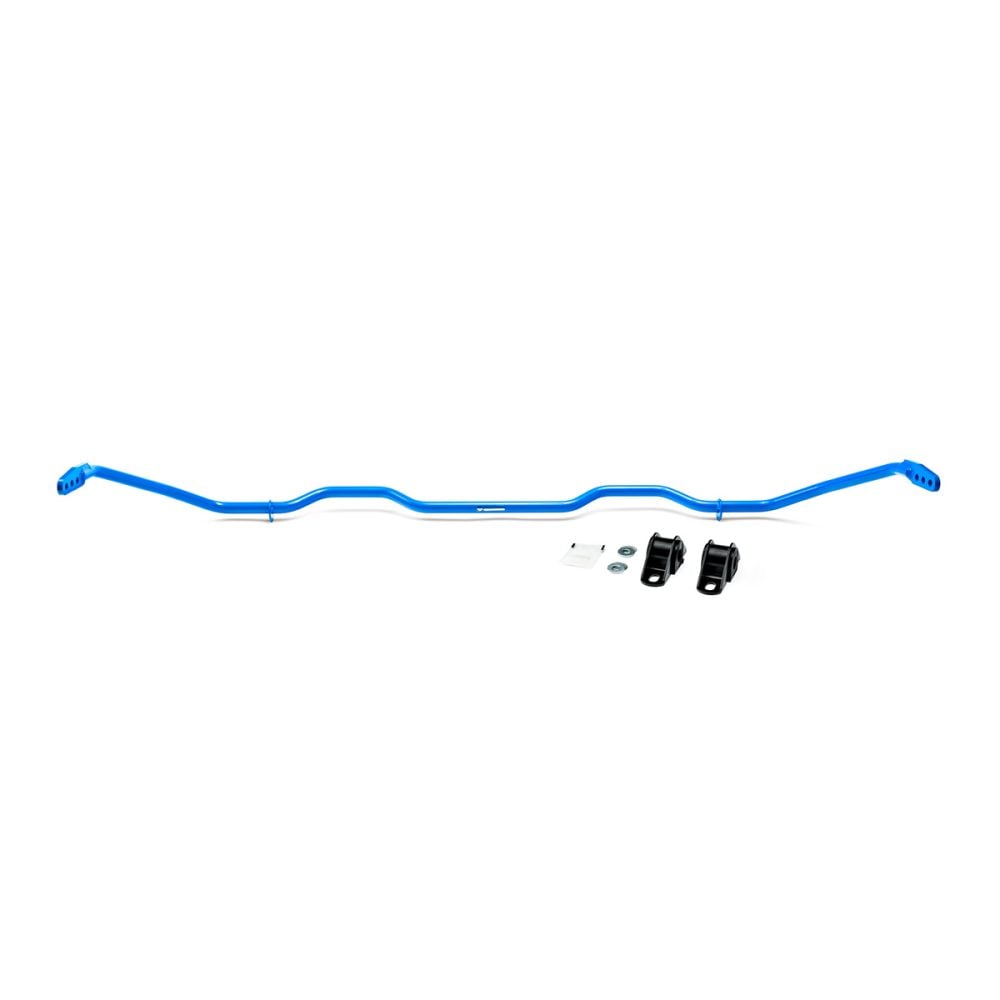
Dial in control for trails and travel with the Tesla Model Y Off-Road & Overlanding High-Articulation Adjustable Rear Sway Bar. Three-way adjustability lets you choose more flex for slow, technical terrain or more roll control for heavy loads, fast gravel, and crosswinds. Tested on our local mountain trails, it keeps the body composed, preserves articulation, and pairs perfectly with adjustable end links and off-road wheel setups.
Buy this product and earn 295 UP Points.



Product Details
Built for Trails, Tuned for Real Loads
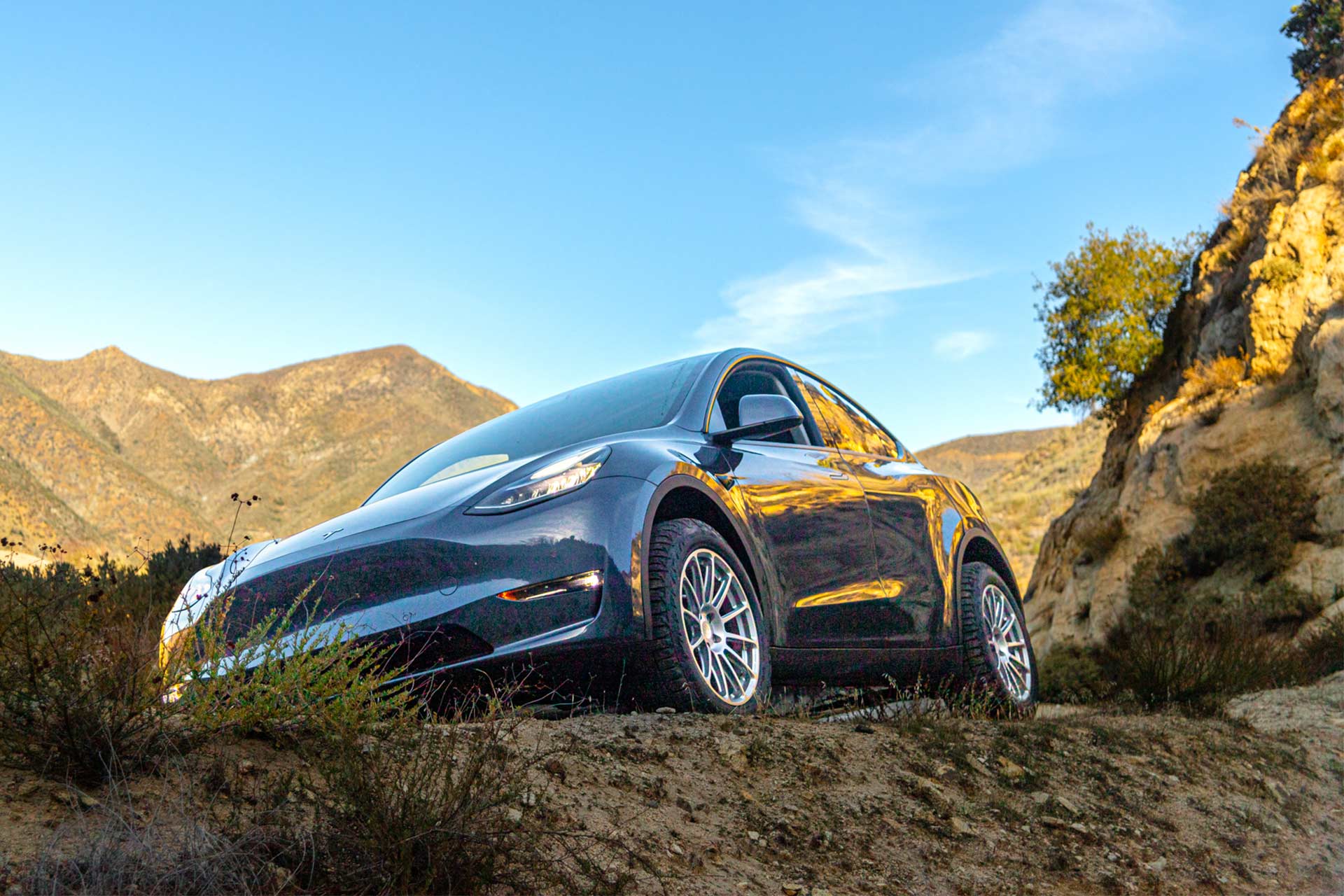
Overlanding adds weight where it matters most: up high and out back. Roof tents, recovery gear, water, spares, and tools raise the center of gravity and can make a Model Y feel pendulum-like on side winds. This high-articulation rear sway bar is designed to bring that control back while preserving the suspension travel you need for traction off road. We took this setup into the mountains in our own backyard to prove it on long gravel connectors, washboard, and slow, rutted climbs.
Why a High-Articulation Bar
A typical stiff bar can “jack” a wheel and lift it in cross-axle situations, stealing grip. Our high-articulation design supports more droop compared to a conventional firm bar so the suspension can stay extended and keep tires in contact. You get roll control when the chassis is loaded, yet usable travel when the trail tips a tire into a rut. The result is better traction, fewer traction control interventions, and a calmer chassis at speed.
Three-Way Adjustability You Can Feel
Most adjustable bars tune stiffness by moving the end link along the arm. Shorter lever is firmer, longer lever is softer. Use these positions to match your terrain, load, and pace:
- Soft (outer hole): Maximum articulation and comfort. Best for slow technical trails, rock gardens, snow, and wet conditions where keeping all four tires planted matters most.
- Medium (middle hole): Balanced daily plus trail tune. Ideal for mixed trips with graded fire roads, washboard, and occasional rocky sections. Controls body motion without killing flex.
- Firm (inner hole): Highest roll control. Choose this for roof tents and heavy gear, highway transits with crosswinds, towing small trailers, or fast gravel. For very technical crawling, step back to medium or soft to regain droop.
Rule of thumb: go softer as terrain slows and articulation increases. Go firmer as speed and load rise.
Real Off-Road Benefits
- Body control when loaded: Cuts excessive roll with roof tents or cargo so the car feels planted on cambered dirt roads and steady at highway speeds between trailheads.
- Traction on uneven surfaces: Limits inside-rear unloading that triggers traction control on washboards, whoops, or rock steps, helping the car put power down more predictably.
- Confidence in side winds and off-camber: A firmer setting resists the sway that can build with extra roof mass, reducing fatigue on long gravel stretches.
- Works with lifts or leveling kits: Raising ride height increases roll. The bar lets you tune that roll back without resorting to overly stiff springs that harm ride quality.
Add Adjustable End Links for Best Results
- Zero-preload setup: After a lift or uneven cargo, stock links can preload the bar at ride height. UP Adjustable end links let you set the bar neutral so left and right reactions are consistent.
- Correct geometry after lift: Keeps link angles healthy and avoids bind across the travel range.
- Durability and feel: Heavy-duty joints reduce deflection and clunks compared to tired OE parts, improving steering precision on road and control off road.
Pair With Off-Road Wheel and Tire Packages
- Wider stance, more stability: A modestly lower offset widens track and works with a firmer bar setting to reduce body roll and improve confidence on off-camber sections.
- Sidewall and footprint: Taller sidewalls cushion sharp edges and let you air down for grip while the bar keeps the chassis from feeling sloppy.
- Clearance at travel: Proper wheel width and offset help clear arms and liners at full droop or compression so the bar and links can do their job without rubbing.
Quick Setup Recipes
- Tech trail weekend (slow, rutted, rocky): Bar soft, end links set to zero preload, air down tires to appropriate PSI.
- Overland trip (roof tent and gear, long highway plus dirt): Bar medium, firm if heavily loaded, end links zero preload, off-road spec wheels for a modestly wider stance.
- Fast gravel and washboard: Bar firm, end links zero preload, watch damping and tire PSI to control chatter.
Easy, Reversible Install
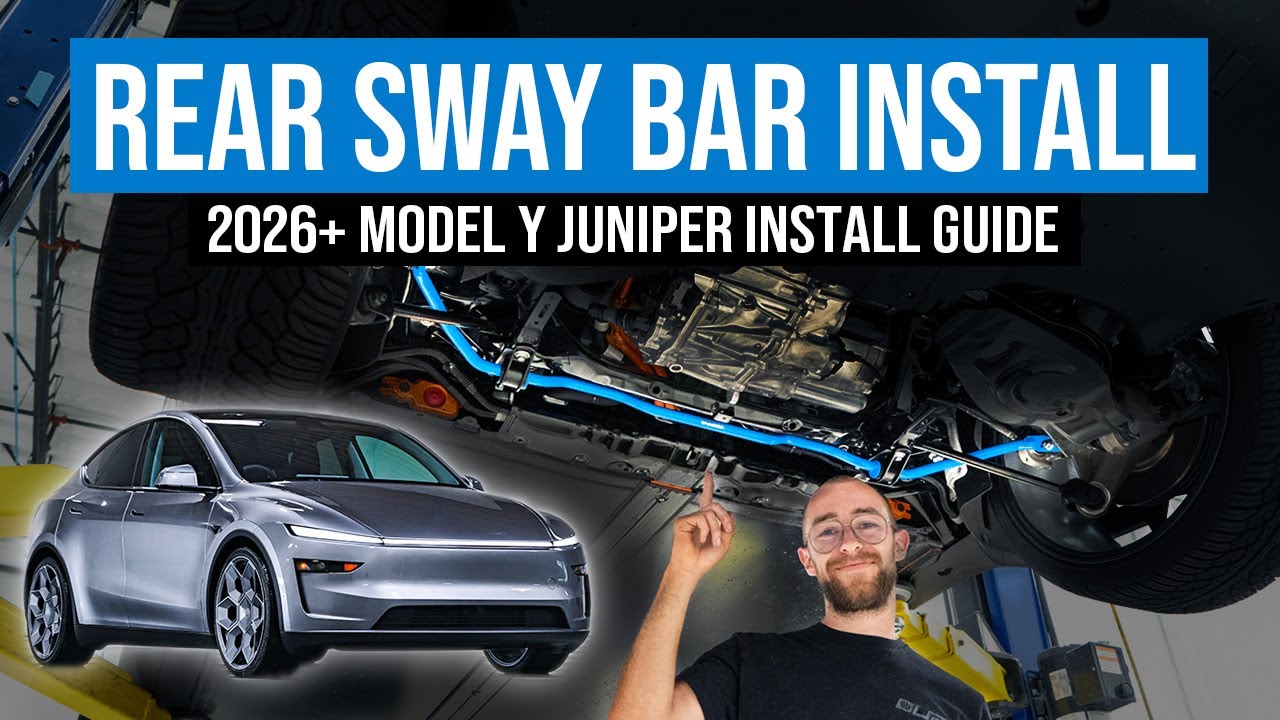
The bar is a direct replacement for the factory piece using the original mounting locations. Installation is straightforward and fully reversible. Combine it with adjustable end links for a true zero-preload setup after lifting or loading the vehicle.
Bottom Line
If you explore beyond pavement or carry real overlanding weight, this high-articulation adjustable rear sway bar gives you the missing knob. Dial in stability for load and speed, then back it off for flex when terrain demands it. Add adjustable end links and an off-road wheel and tire package to unlock predictable traction and confidence everywhere you drive your Model Y.
Need help?
Find an installer
How do you keep a loaded overland Model Y from swaying on the highway?
Roof tents, water, spares, and recovery gear raise the center of gravity and make the car feel pendulum-like in crosswinds. This high-articulation rear sway bar brings that motion back under control while preserving the suspension travel you need off pavement. Set it firm for a loaded highway transit, then back it off when the trail slows down and you want flex.
What do the three adjustment positions actually change?
They move the end link along the arm to change the lever length, so a shorter lever is firmer and a longer lever is softer. Soft, the outer hole, gives maximum articulation for slow technical trails, rock gardens, snow, and wet ground. Medium balances daily and trail use. Firm, the inner hole, gives the highest roll control for roof tents, heavy gear, crosswinds, and fast gravel.
Won’t a stiffer sway bar hurt my traction off-road?
A conventional stiff bar can, because it jacks a wheel off the ground in cross-axle situations and steals grip. This bar is engineered for high articulation, supporting more droop than a typical firm bar so the suspension stays extended and the tires stay in contact. You get roll control when the chassis is loaded and usable travel when a tire drops into a rut, which means fewer traction-control interventions.
Does this fit a 2026 Juniper Model Y as well as the earlier trucks?
It is a direct replacement for the factory rear bar using the original mounting locations, and it shares the Model Y sway bar platform that spans the 2020 to 2025 cars and the 2026 plus refresh. Confirm your exact year at checkout, but the geometry is built around the Model Y chassis either way. Installation is straightforward and fully reversible.
How is this different from the Luxury Comfort sway bar?
Different missions. The Luxury Comfort bar is tuned for calm daily street manners on a stock-height car. This one is built for articulation under load, so it prioritizes keeping tires planted on uneven ground while still taming roll when you are heavy and fast. Choose the overland bar if your Model Y sees dirt, gravel, and cargo weight.
Why do I need adjustable end links with this bar?
After a lift or with uneven cargo, stock links can preload the bar at ride height, so left and right no longer react the same. A set of adjustable end links lets you set the bar neutral with zero preload and keeps the link angles healthy so nothing binds across the travel range. That zero-preload setup is what makes the three positions feel consistent.
What setting should I run for a specific trip?
Match the bar to speed and load. For a slow, rutted, rocky weekend, run soft with the end links zeroed and tires aired down. For an overland trip with a roof tent and long highway plus dirt, run medium, or firm if you are heavily loaded. For fast gravel and washboard, run firm and watch your damping and tire pressure to control chatter.
Was this actually tested off-road or just on a computer?
We took it into the mountains in our own backyard and proved it on long gravel connectors, washboard, and slow rutted climbs. That testing is why the tuning targets real overland behavior: cutting body roll with a roof tent, limiting inside-rear unloading on washboard, and resisting the sway that builds with extra roof mass on long stretches.
Does a lift kit change how I should set this bar?
Yes. Raising ride height increases body roll, and this bar lets you tune that roll back without resorting to overly stiff springs that wreck ride quality. Pair it with a leveling or lift setup and adjustable end links, and you can add clearance while keeping the chassis from feeling sloppy. It is designed to work alongside lifts, not fight them.
Will off-road use with this bar void my Tesla warranty?
An aftermarket sway bar does not automatically void your Tesla coverage; under Magnuson-Moss, Tesla must show the part caused a specific failure. Keep in mind our own two-year, 24,000-mile warranty covers defects in materials and workmanship but excludes damage from off-road use, so drive within your limits. The bar itself installs reversibly, so returning to stock is simple.
What does the Unplugged Performance product warranty cover?
Unplugged Performance offers a comprehensive warranty on all parts and installations performed by our certified technicians. Warranty coverage applies to defects in materials and workmanship on items including lowering springs, coilovers, big brake kits, brake pads, stainless steel brake lines, shocks, and more. Should any covered part fail under normal use or display premature wear, we will repair or replace it at no additional cost—assuming the component was installed by us or at one of our authorized partners.
This warranty is valid for 2 years or 24,000 miles, whichever comes first, excluding consumable products like brake pads, rotors, and tires, starting from the installation date. Coverage extends to labor for warranty repairs when performed by Unplugged Performance or an authorized installer. It does not cover damage resulting from misuse, accidents, off‑road use, improper installation not done by us, or modifications that aren’t factory-approved.
To file a warranty claim, simply contact our service team. We’ll guide you through inspection, shipping (if needed), and repair or replacement logistics. transparencia and top-tier support are what you can expect from Unplugged.
Will installing Unplugged Performance parts void my Tesla warranty?
Installing aftermarket parts does not automatically void your Tesla warranty. Under the Magnusson-Moss Warranty Act (www.sema.org/sema-enews/2011/01/ftc-validates-right-to-install-aftermarket-parts), a manufacturer cannot void your warranty simply because you installed aftermarket parts. Tesla must prove that the aftermarket part caused the specific failure in question to deny a warranty claim. UP recommends retaining all factory parts to allow reverting to stock if needed.
What are the shipping options and times?
Unplugged Performance processes orders quickly, typically within 1–2 business days after placement. For U.S. customers, orders under $50 usually ship via FedEx SmartPost with an estimated delivery time of 2–7 business days. Larger items like body kits or bumpers may ship via freight carriers with curbside delivery; customers will be contacted to schedule a delivery window. International shipping is available to most countries, with shipping costs calculated at checkout. Delivery times abroad vary, generally ranging from 5 to 16 business days depending on destination. Import duties or taxes are the customer’s responsibility. To ensure a smooth shipping experience, provide accurate contact information during checkout. For specific questions or shipping quotes, Unplugged Performance’s support team is available to assist.